Multishield Protect Formula
Support Your Little One's Immune4 & Gut Health3


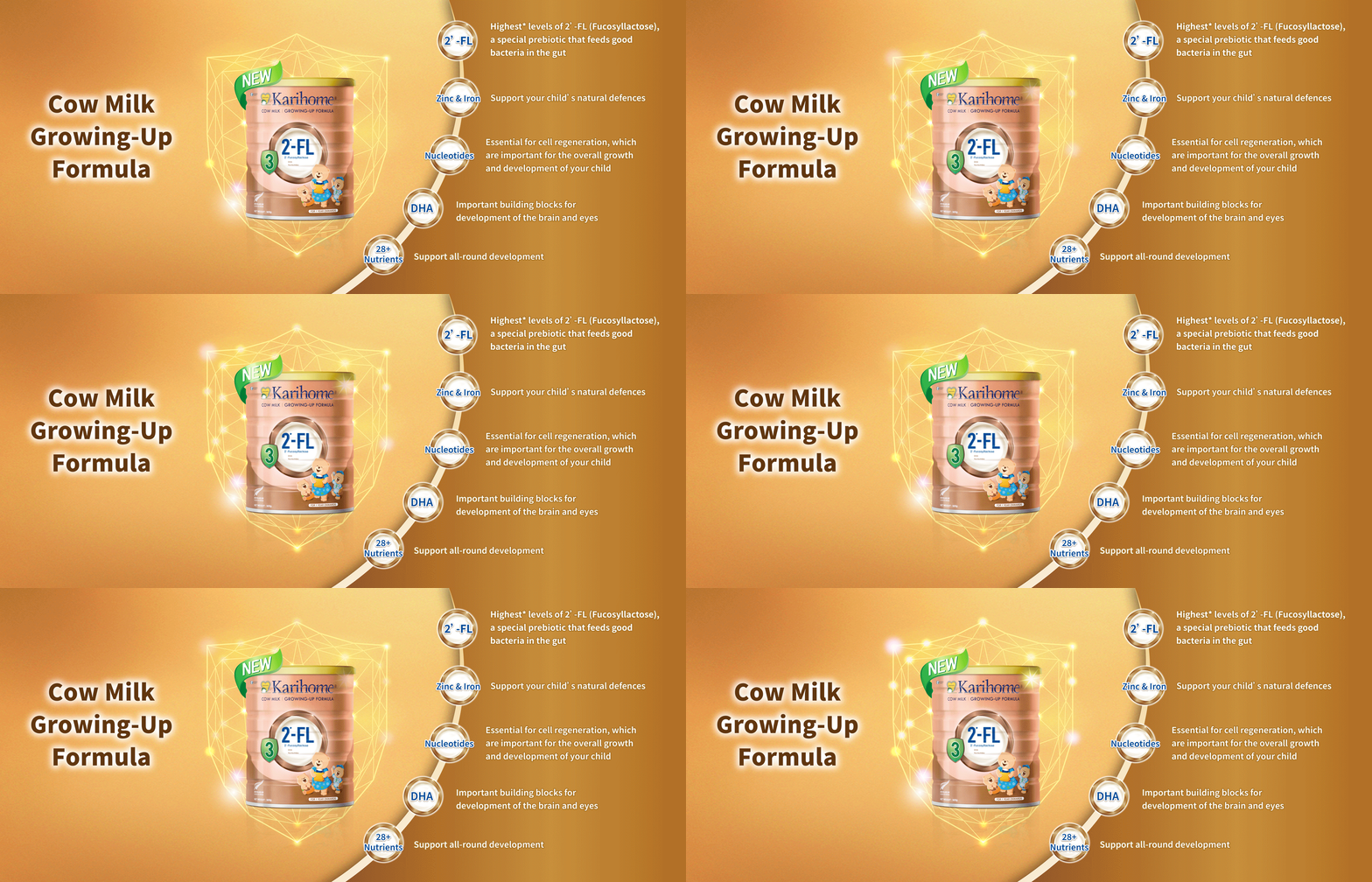
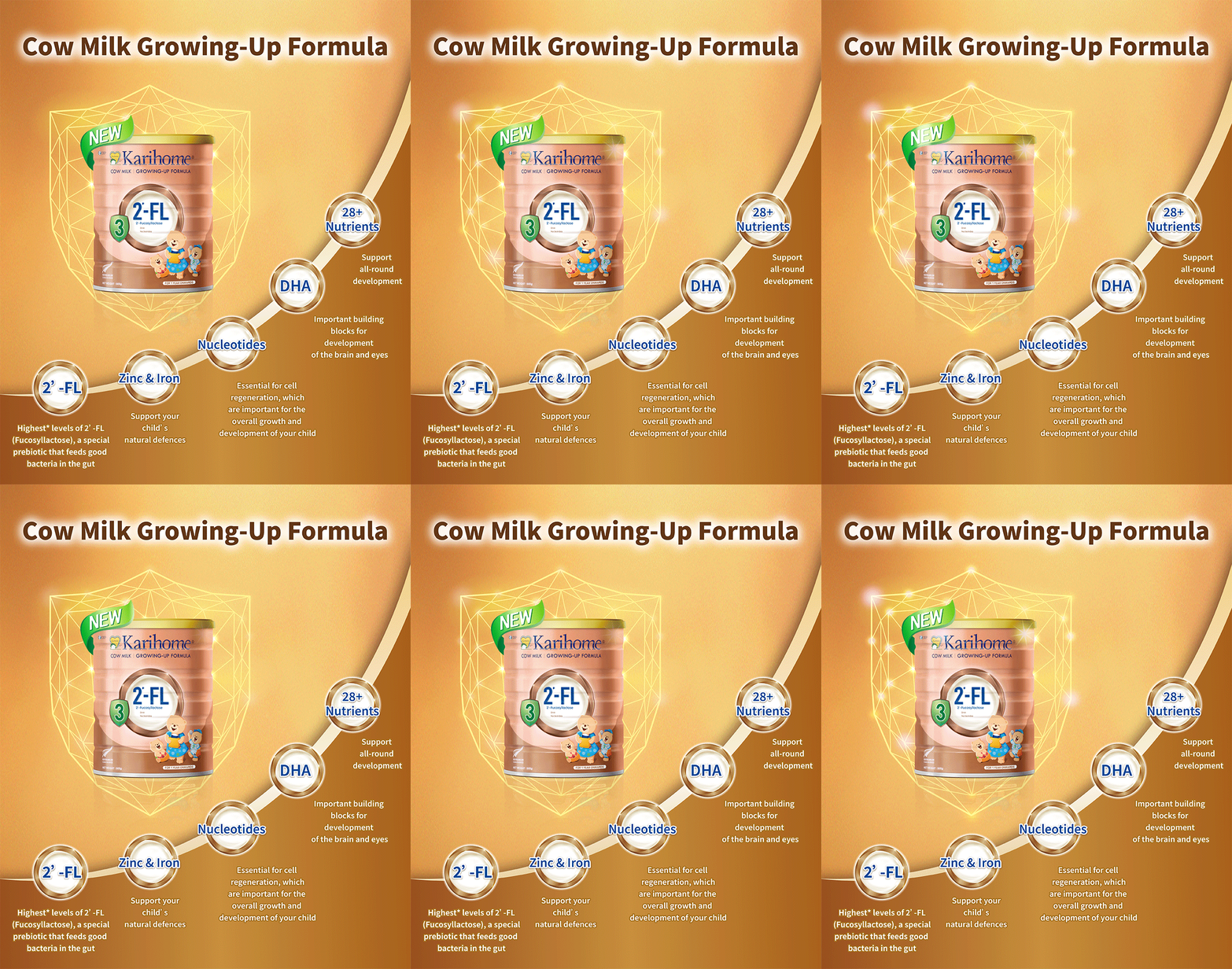
Karihome formula^ contains highest* 2'-FL.(200mg/100g)
Studies show 2'-FL is beneficial in 3 ways:2
-
 Improve
gut health32'-FL can enhance the
development of the
intestinal microbiota -
 Support immune
health42'-FL is a beneficial prebiotic that
has shown to support your child's
immune system -
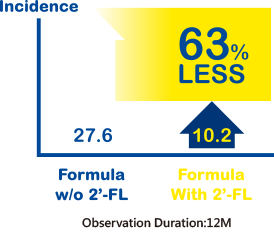 Protect against
viruses52'-FL decreases the risk of
infection by their interactions
with viruses and bacteria
from within6
Karihome Cow Milk
Growing-Up Formula
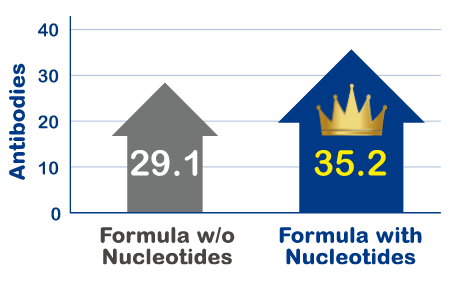
our formula also contains key nutrients for brain and all-round development.


Support Brain Development



Support All-Round Development



Resource
* Compared with toddler cow milk formula brands sold in Singapore. Based on declared value per 100g of powder.
^ Karihome formula refers to Karihome Multishield Protect Cow Milk Growing-up Formula
FAQs
-
Q. Baby's Growth and Development
It is normal for your baby's weight to drop after birth as his/her body loses the excess fluid he/she took in while he/she was bathed in amniotic fluid in your womb. Around one week after birth, your baby's body weight should start to increase. Around two weeks after birth, your baby will recover to his/her birth weight. In the first three months, if your baby is gaining more than 120g weekly, you can be sure that he/she is having enough milk. You may refer to the Health Booklet for the growth charts for weight, height and head circumference for age.

What does the percentile on the growth charts mean?
The percentile for each measurement item indicates how your child's measurement compares with others in the same age-group for that measurement item. For example, if the height percentile for your child's measurement is shown as 75% - this indicates that your child is as tall as or taller than 75% of children in the same age-group, whereas if the height percentile is shown as 10% - this indicates that your child is as tall as or taller than only 10% of children in the same age-group. The same applies for the percentiles for the weight or head circumference.
As children grow, the physical growth of height, weight and organs occur. They develop changes, progression and maturation of vision, auditory sense, motor skill development, cognition, speech, communication, emotion, social adaptation etc. When the children are growing physically, their nerves and intelligence are also developing at the same time, which reflects in behavioral and emotional aspects like cognition, speed, motor skills, and social adaptability; developmental milestones are established. When the development of a child is delaying in one or more milestones, it is called developmental delay.
https://www.healthxchange.sg/children/baby-0-24-months/baby-development-milestones-1-6-months
https://www.healthxchange.sg/children/baby-0-24-months/baby-development-milestones-7-12-months
If my child is not meeting the milestone, what should I do?You should seek the advice of your healthcare professionals during the scheduled developmental assessment of your child.
Reference: BabyCentre UK; HealthHub