




Karihome Makes Parenting Easier














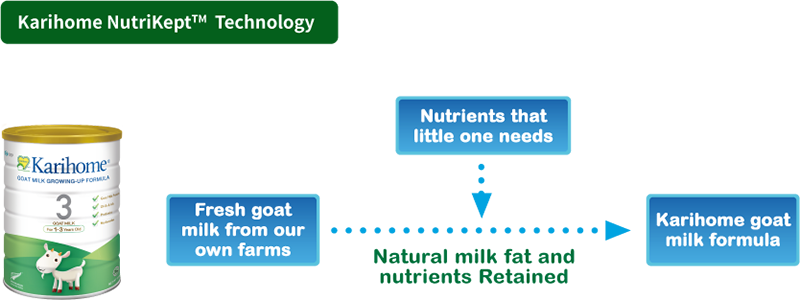
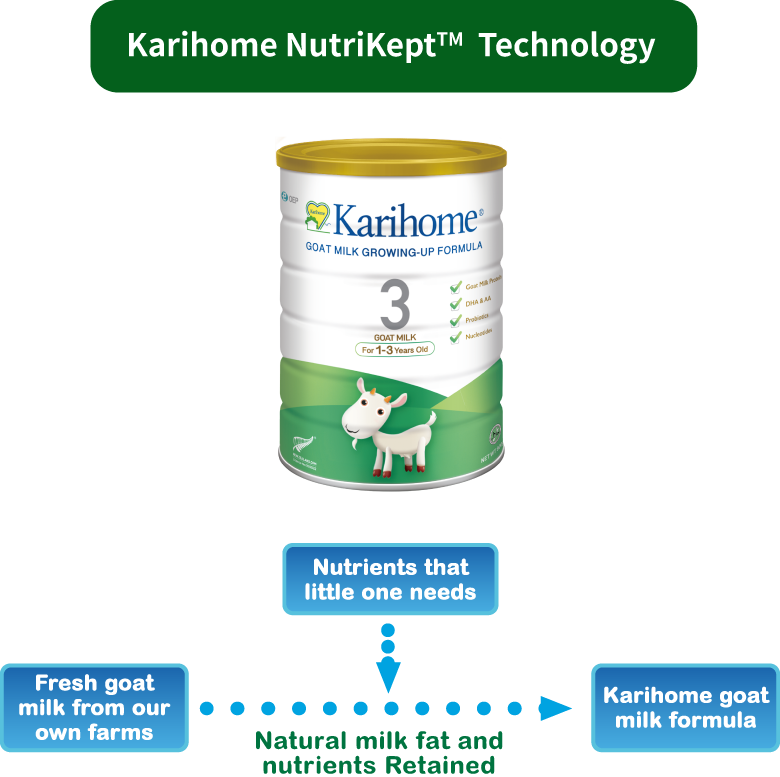
NutriKept Technology
Retains Bioactive Nutrition

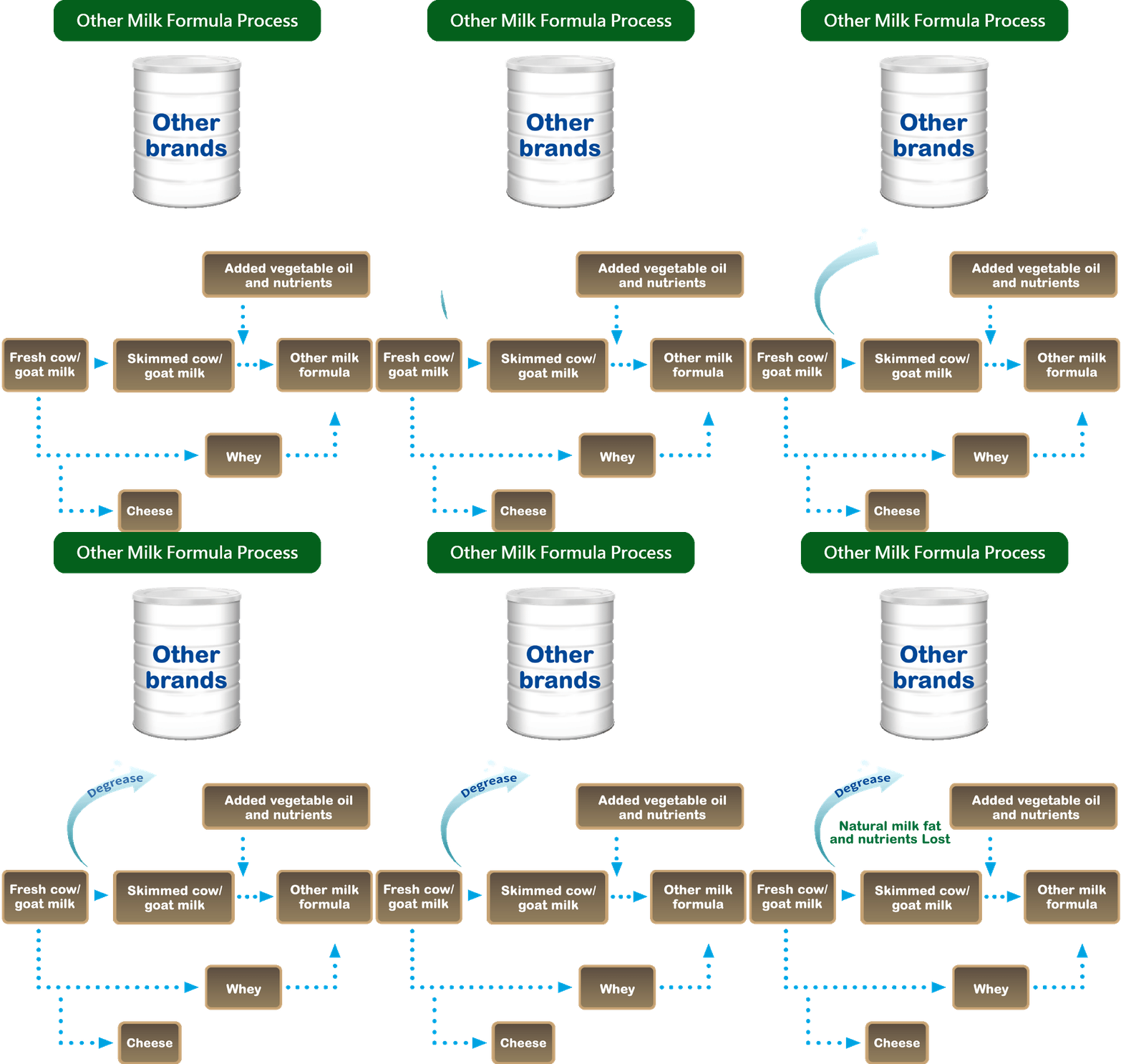
Whole Goat Milk Used

Single High Temperature Heating

Less Processed-Preserving Natural Goodness


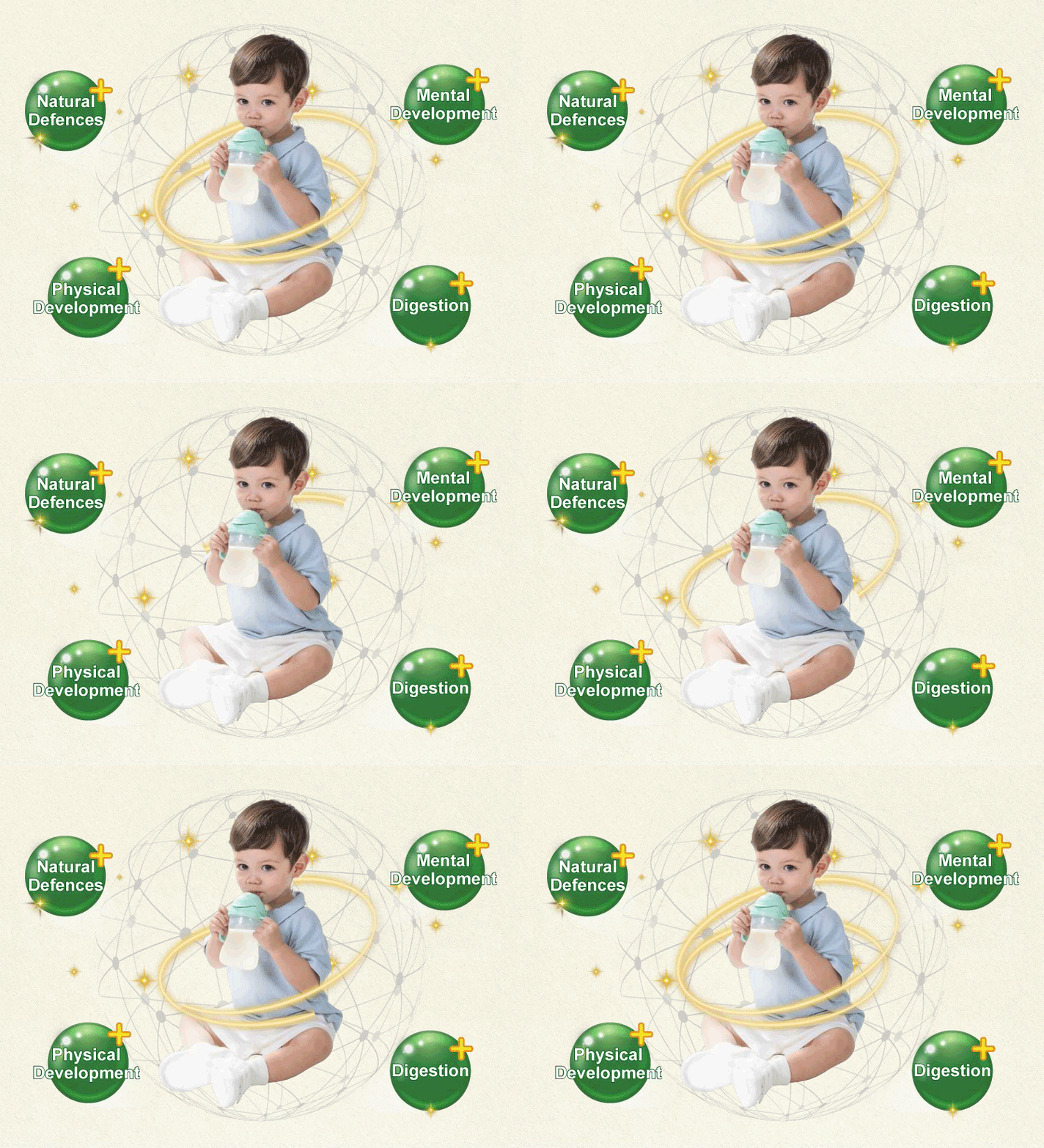
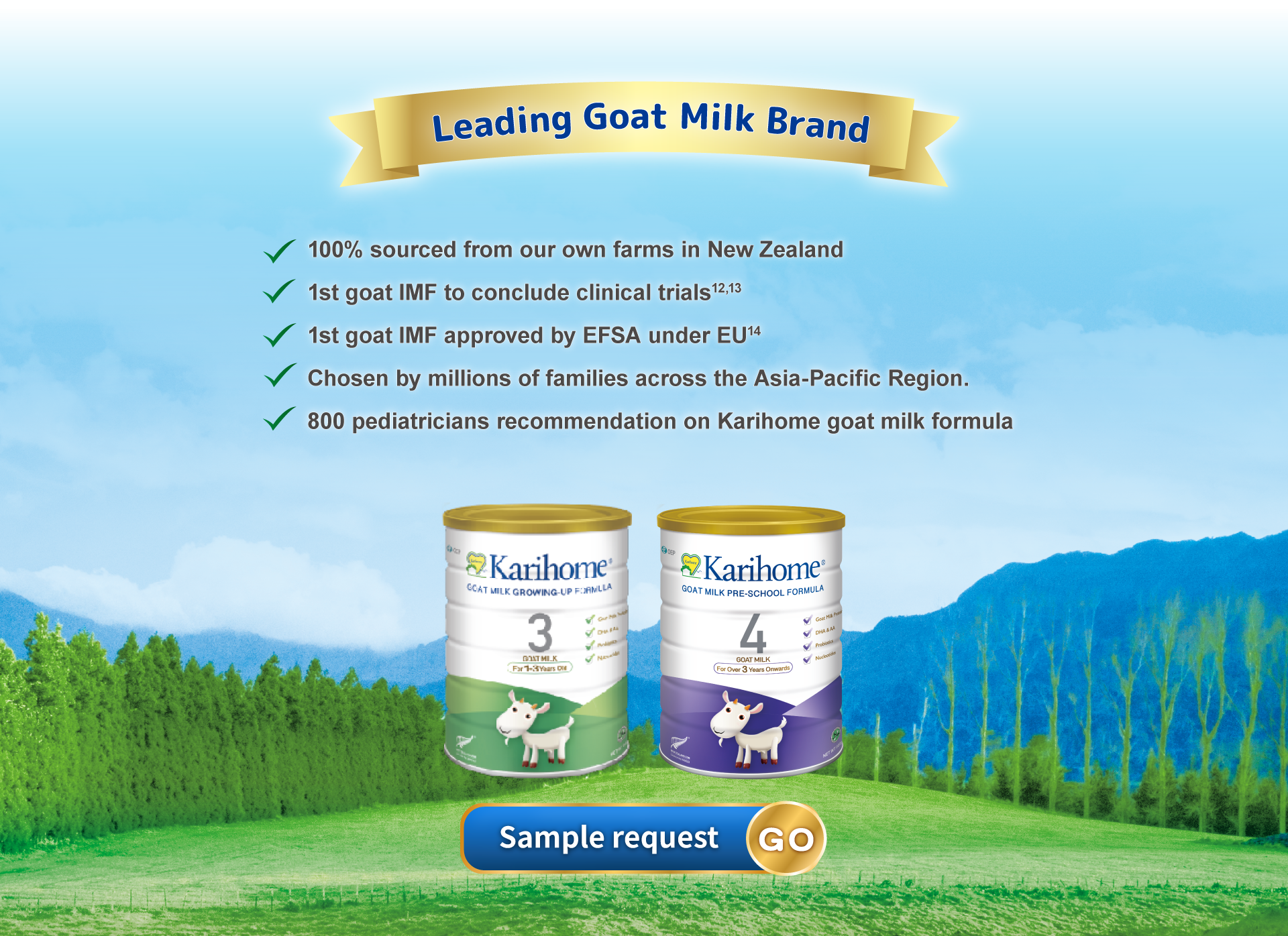





Karihome Makes Parenting Easier

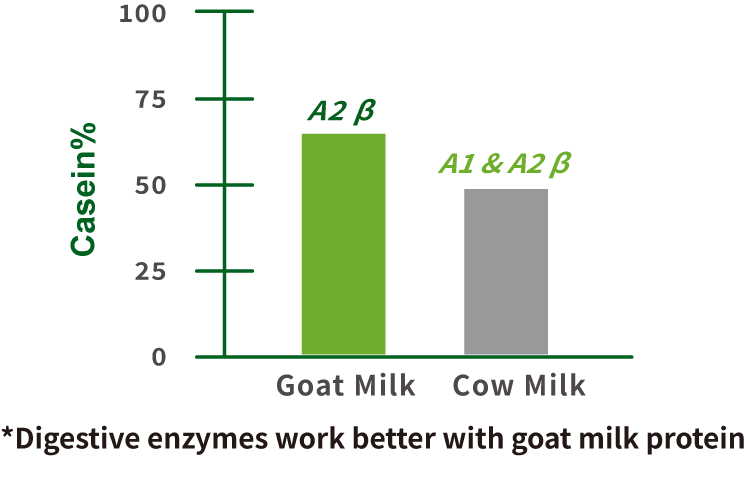

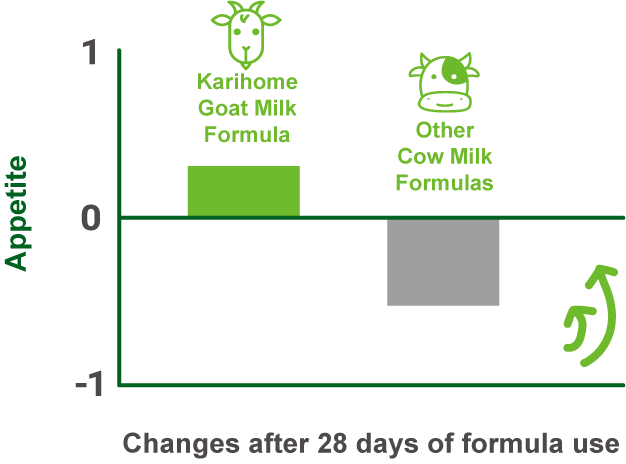


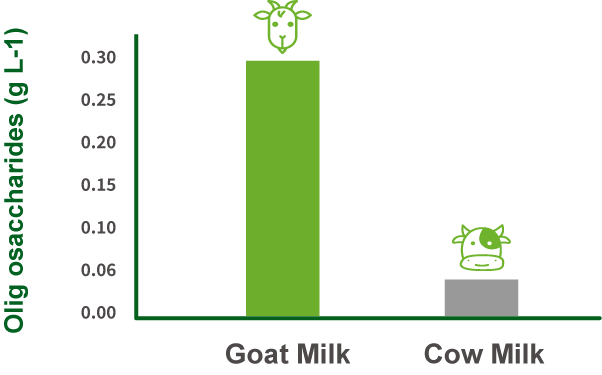
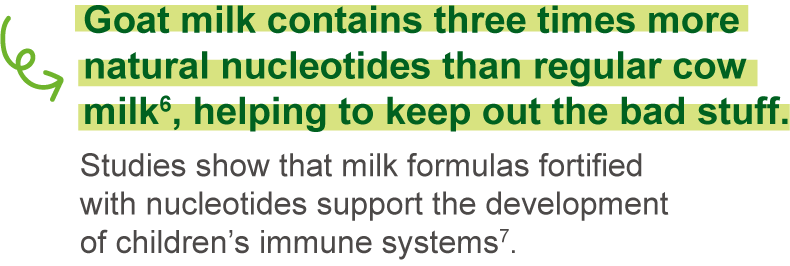





NutriKept Technology Retains Bioactive Nutrition
Whole Goat Milk Used
Single High Temperature Heating
Less Processed-Preserving Natural Goodness

FAQs
-
Q. What is special about goat milk from New Zealand?
New Zealand's dairy goats are mainly fed green and lush pastures. The high quality of milk corresponds directly to the quality of feed that the goats consume. In most other countries of the world, goats are fed on processed meal and grain.
New Zealand has a strict Code of Welfare for Goats. It specifies what is considered to be optimal animal welfare and how this may be achieved for goats farmed under New Zealand conditions. DGC farms are required to follow the New Zealand Code of Welfare for Goats as well as DGC's own Code of Farm Practice.
You can be assured you & your family are getting the best quality goat milk formuls!

-
Q. Who can benefit from goat milk?
Goat milk is suitable for all ages, as long as you have is no allergy to it.
Goat milk is suited for:
- People looking to support their overall wellbeing & strengthen their natural defences can benefit from the nutrition in goat milk.
- Individuals who have poor digestion or face difficulty digesting cow milk.
- Those with cow milk allergy.
- Parents looking for a more natural, less processed alternative to other formulas.
- Goat milk formula is considered safe for infants under 1 year old.
- In 2012, a clinical study prompted the European Commission to update its guidelines, allowing the use of goat milk-based infant formula. Karihome supports World Health Organization’s recommendation to exclusively breastfeed your infant for the first six months of life and after six months of age, your infant should receive age-appropriate foods while breastfeeding continues for up to two years of age or beyond. Kindly consult your healthcare professional before deciding to formula feed your infant or if you have difficulty breastfeeding.
- Children over 1 year old who are beginning to explore the world can benefit from goat milk, which can help support their natural defenses.
- Children with digestion problems or sensitive tummies, e.g. unsettledness, discomfort, colic
- Children who are not growing well with cow milk or soy milk products.
Please consult your healthcare professional for further advice.
-
Q. Are Karihome Tasty Milk Tablets considered a form of candy? Does it contain sugar?
Karihome Tasty Milk Tablets are not sweets or candy, it is a tablet made from milk powder. It contains the natural milk sugar as lactose with less than 20% added glucose (like Glucolin's powder) and no added sucrose. Sucrose (table sugar) is usually present in sweets and is particularly damaging to the teeth.
-
Q. Can my child take Karihome Tasty Milk Tablets together with multivitamin tablets? Will my child get overdosed?
They may be taken together if necessary. Multivitamin tablets contain concentrated amount of vitamins, therefore, it is important not to exceed the recommended dose. Karihome Tasty Milk Tablets are fortified with lower amounts of vitamins and minerals. There is no concern with overdosing provided the child does not exceed the recommended daily intake.
-
Q. How old can my child start consuming Karihome Tasty Milk Tablets?
One year and above, when they are able to chew independently. If they do not have a full set of teeth or are unable to chew independently, break the tablet up and feed your child the smaller pieces to prevent choking.
-
Q. How many Karihome Tasty Milk Tablets can my child take a day?
A child can take 3 to 10 Tasty Milk Tablets per time, 1 to 3 times a day. One glass of 100ml reconstituted Karihome Goat Milk is equivalent to about 15 Tasty Milk Tablets.
-
Q. Baby's Growth and Development
It is normal for your baby's weight to drop after birth as his/her body loses the excess fluid he/she took in while he/she was bathed in amniotic fluid in your womb. Around one week after birth, your baby's body weight should start to increase. Around two weeks after birth, your baby will recover to his/her birth weight. In the first three months, if your baby is gaining more than 120g weekly, you can be sure that he/she is having enough milk. You may refer to the Health Booklet for the growth charts for weight, height and head circumference for age.

What does the percentile on the growth charts mean?
The percentile for each measurement item indicates how your child's measurement compares with others in the same age-group for that measurement item. For example, if the height percentile for your child's measurement is shown as 75% - this indicates that your child is as tall as or taller than 75% of children in the same age-group, whereas if the height percentile is shown as 10% - this indicates that your child is as tall as or taller than only 10% of children in the same age-group. The same applies for the percentiles for the weight or head circumference.
As children grow, the physical growth of height, weight and organs occur. They develop changes, progression and maturation of vision, auditory sense, motor skill development, cognition, speech, communication, emotion, social adaptation etc. When the children are growing physically, their nerves and intelligence are also developing at the same time, which reflects in behavioral and emotional aspects like cognition, speed, motor skills, and social adaptability; developmental milestones are established. When the development of a child is delaying in one or more milestones, it is called developmental delay.
https://www.healthxchange.sg/children/baby-0-24-months/baby-development-milestones-1-6-months
https://www.healthxchange.sg/children/baby-0-24-months/baby-development-milestones-7-12-months
If my child is not meeting the milestone, what should I do?You should seek the advice of your healthcare professionals during the scheduled developmental assessment of your child.
Reference: BabyCentre UK; HealthHub
-
Q. Antenatal Check Ups
Make an appointment with your doctor as soon as you know you're pregnant. Antenatal care is important to keep you and your baby healthy throughout the pregnancy. You'll likely see your doctor for the first time in week 5. Most people will have about 10 appointments before baby is due.
Ideally you should visit your doctor with your partner and go armed with both your medical histories. Your doctor will be interested to know about any family medical history that may have an impact on your pregnancy. These include genetic conditions or diseases like diabetes. If you've had previous pregnancies, miscarriages or problems with fertility, your doctor will need to know about these too.
Here is a complete guide of week 1 to 40 of your pregnancy week by week.
There are a series of prenatal tests and scans available to check on the well-being of both mother and baby during pregnancy but not all tests are necessary. Your doctor will be able to advise you on the ones you need.
Apart from the routine tests that are carried out at every antenatal visit such as blood pressure, weight, and urine dipstick for sugar and protein, the following tests are also performed if your doctor considers them necessary.

Reference: HealthHub, HealthXchange, KK Women's and Children's Hospital, Mount Elizabeth Hospitals